
Services
Myotherapy Modalities
Dry Needling
Trigger-point dry needling uses acupuncture needles inserted into the skin and muscle. It targets myofascial trigger points - hyperirritable spots palpable as nodules in the taut bands of skeletal muscles.[1] Trigger point dry needling can be performed at either superficial or deep tissue levels. This alleviates pain with conditions associated with trigger points.
Myofascial Cupping
Myofascial cupping is a soft tissue therapy that involves the application of decompressed cups on the skin, creating a vacuum effect that lifts up underlying tissues such as the fascia ( connective tissue ) and muscles, blood and other fluid, close to the surface of the skin.
Corrective Stretching & Strengthening Exercise
Corrective exercise is a type of physical activity that is designed to improve your body mechanics, movement patterns, joint function, and imbalance. It pulls from our knowledge of anatomy, physiology, and biomechanics to help identify the root cause of your movement dysfunction and then create a plan to correct it.
Muscle Energy Technique
Uses a muscle’s own energy in the form of gentle isometric contractions to relax the muscles via autogenic or reciprocal inhibition and lengthen the muscle. MET is an active technique in which the patient is also an active participant.
Joint Mobilisation
Joint mobilization is a manual therapy technique that involves moving a patient's joints to improve range of motion, reduce pain, and restore function
Myofascial Manipulation
Myofascial release is a manual therapy technique that involves applying firm or gentle, sustained pressure to the body's fascia to relieve pain and increase flexibility
Remedial Massage
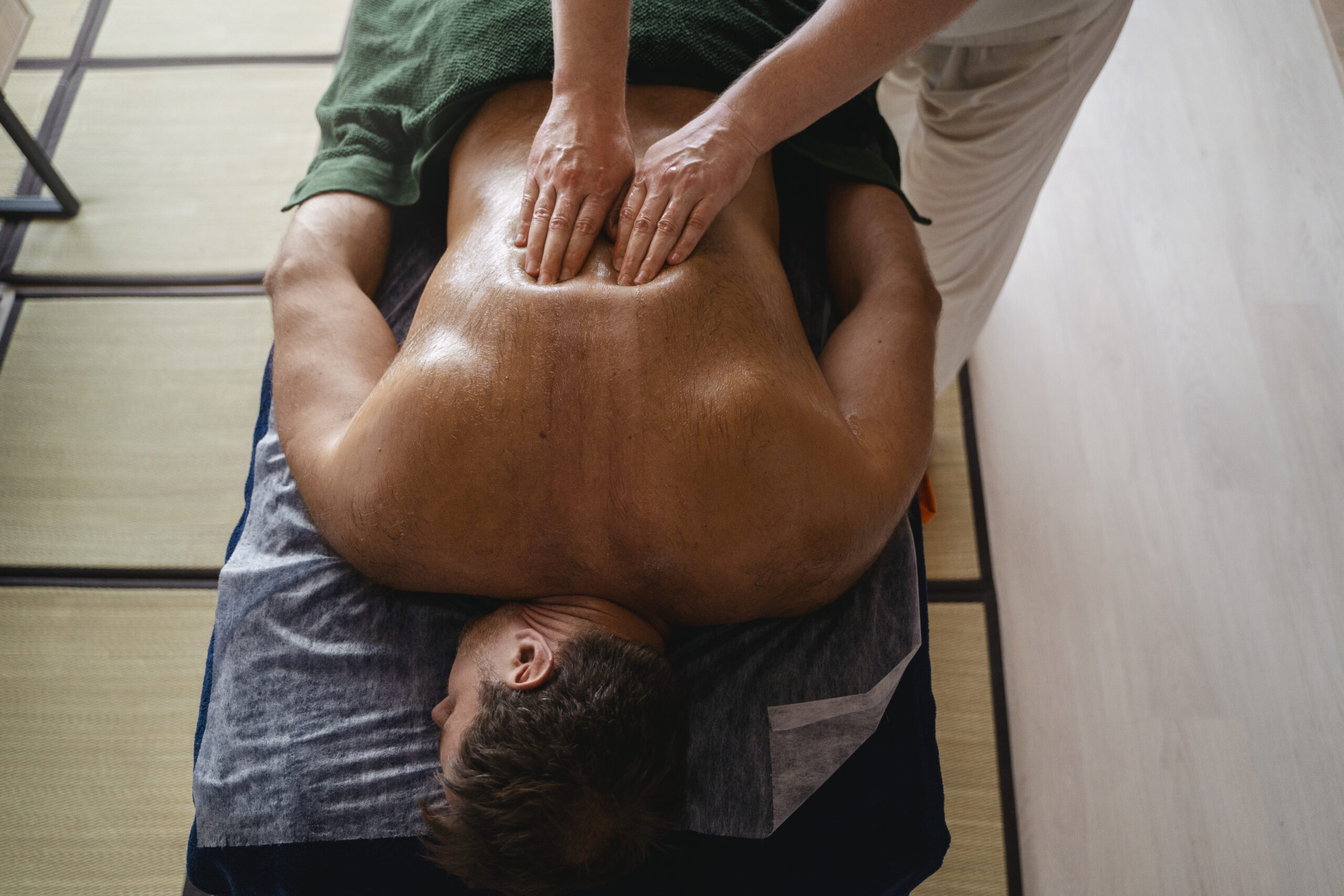
A Remedial Massage therapist uses techniques such as effleurage and petrissage to the muscles of the body, to assist in pain, injury. With deep tissue massage, firm and flowing strokes are applied to the problem areas of the body, which eases tension. The therapist may use their thumbs, knuckles, or elbows to achieve the appropriate direction, depth, or pressure.
Remedial Massage Therapy is used to treat a number of conditions affecting the muscles, tendons, and ligaments of the body. Remedial Massage is beneficial for anyone suffering from pain or injury in a particular area of the body.
Single sessions of massage therapy have been shown to significantly reduce anxiety, dampening emotions such as apprehension, worry, and tension in both adults and children. This evidence is well-supported by scientific research. Anxiety and depression create other detrimental health problems, making massage therapy a highly effective health-booster.
Remedial Massage Therapy is used to treat a number of conditions affecting the muscles, tendons, and ligaments of the body. Remedial Massage is beneficial for anyone suffering from pain or injury in a particular area of the body.
Single sessions of massage therapy have been shown to significantly reduce anxiety, dampening emotions such as apprehension, worry, and tension in both adults and children. This evidence is well-supported by scientific research. Anxiety and depression create other detrimental health problems, making massage therapy a highly effective health-booster.
What can a Myotherapist treat?
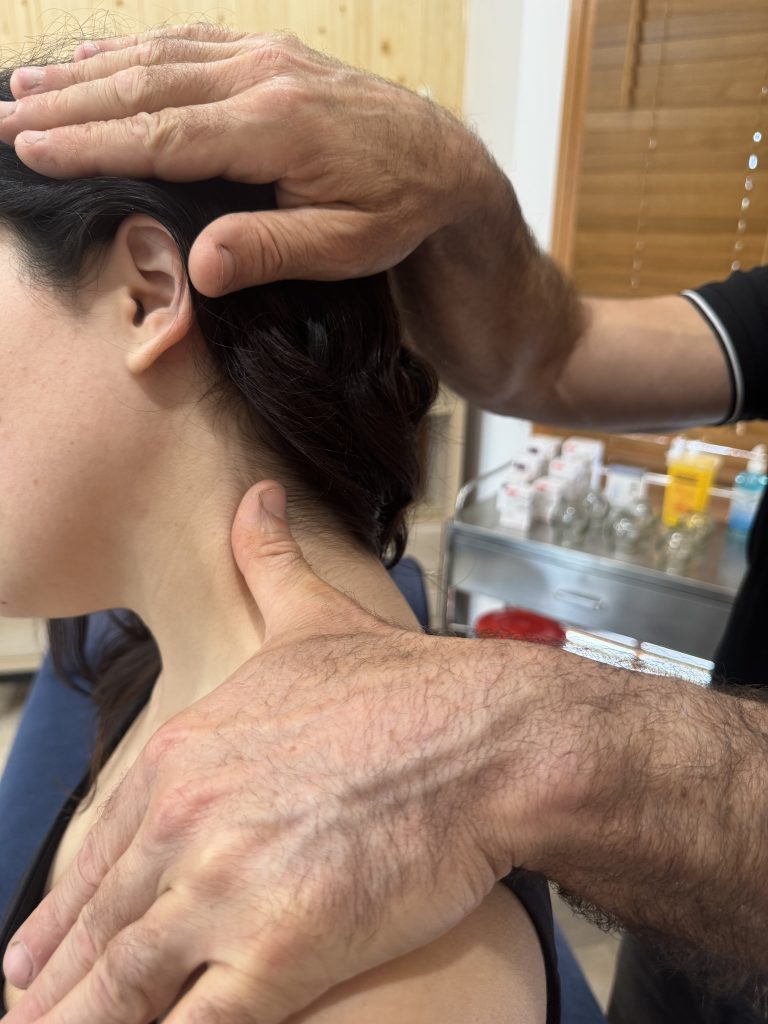
Myotherapy treats the cause of your pain and reduces your symptoms. Mi Therapy Clinic focusses on your specific condition by using evidence-informed assessment, treatment and rehabilitation for a wide range of musculoskeletal pain and associated conditions.
Myotherapy is a form of physical therapy used to treat or prevent soft tissue pain and restricted joint movement caused by muscle or myofascial dysfunction.
Myotherapy is a form of physical therapy used to treat or prevent soft tissue pain and restricted joint movement caused by muscle or myofascial dysfunction.
- Back pain
- Neck and shoulder pain
- General pain management
- Headache and migraine management
- Sports injuries
- Rotator cuff problems
- Tennis elbow
- Occupational injuries
- Achilles tendinopathy and other ankle injuries
- Jaw pain and clicking
- Fibromyalgia and other chronic pain presentations
Symptoms of soft tissue pain
Myofascia are the thin, fibrous sheets of tissue that surround and separate muscles, ligaments and tendons are comprised of bundled myofascia. Pain that is caused by muscle tissue or muscle fascia (myofascia) is called myofascial pain. The pain can be associated with trigger points in muscles. These trigger points can radiate pain to the affected area when pressure is applied to them, symptoms can include:
- Deep and constant aching
- Muscle tightness
- Sore spots in the muscle (myofascial trigger points)
- Reduced joint mobility
- Stiff joints
- Numbness
- Recurrent tingling, Prickling or ‘Pins and Needles’ sensation
- Chronic pain.
What to expect at your first myotherapy appointment
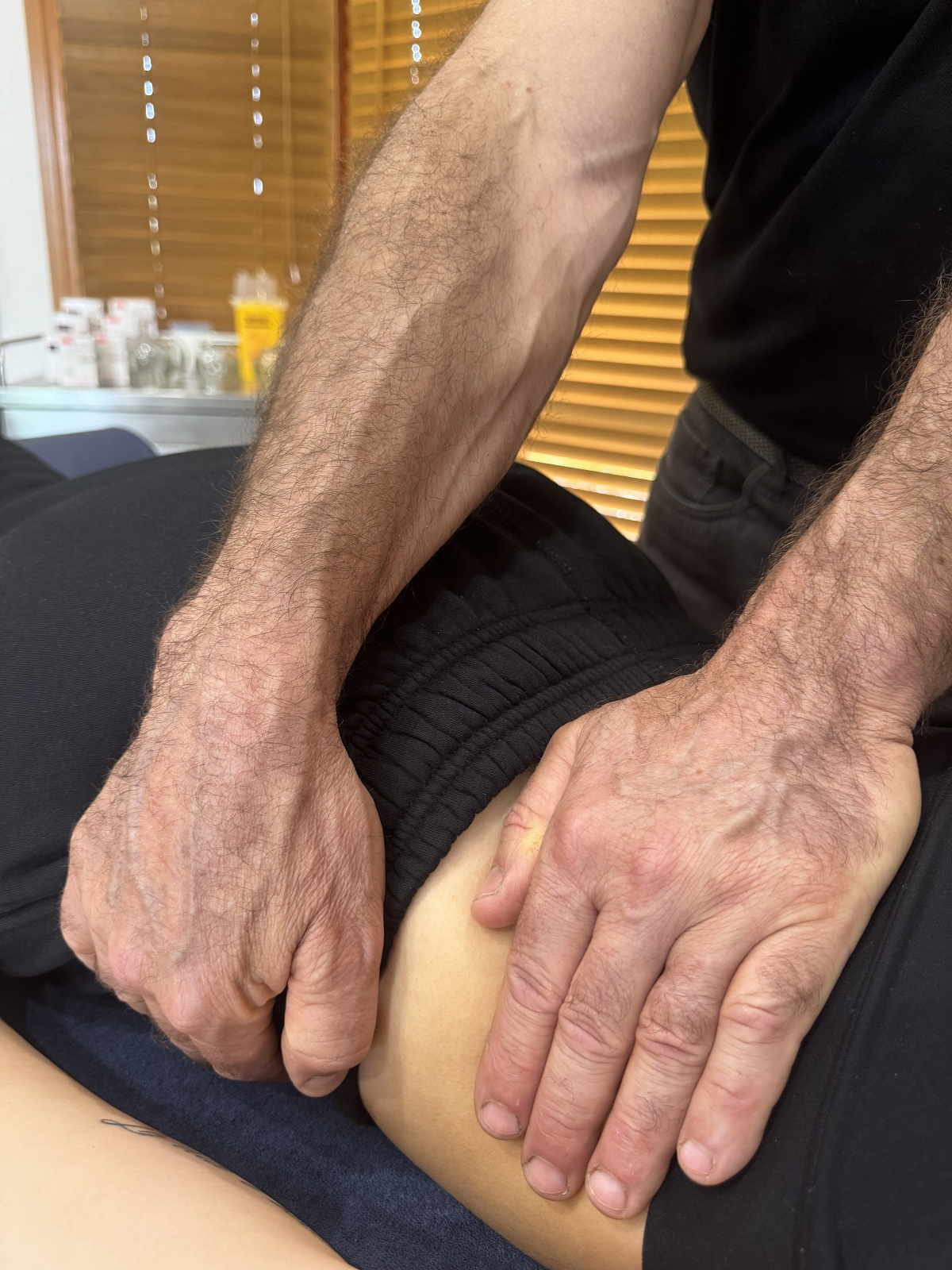
For your first appointment, take any medical test results and reports (such as x-ray films) that relate to your condition.
The myotherapist will ask questions about your symptoms. Tell them about your medical history, including prior illness and surgery. Give them a list of all the medicines, natural and prescripted, that you are currently taking. This information is kept in strictest confidence.
The myotherapist will perform some physical assessment as well as orthopaedic and/or neural tests to assess dysfunction and address pain, if necessary.
This initial examination is thorough and helps the myotherapist to find out if the symptoms are myofascial. The myotherapist may refer you to other healthcare professionals for further diagnosis or treatment, depending on your medical condition.
Each session typically lasts 30 minutes to 1 hour.
What to expect at your first myotherapy appointment
For your first appointment, take any medical test results and reports (such as x-ray films) that relate to your condition.
The myotherapist will ask questions about your symptoms. Tell them about your medical history, including prior illness and surgery. Give them a list of all the medicines, natural and prescripted, that you are currently taking. This information is kept in strictest confidence.
The myotherapist will perform some physical assessment as well as orthopaedic and/or neural tests to assess dysfunction and address pain, if necessary.
This initial examination is thorough and helps the myotherapist to find out if the symptoms are myofascial. The myotherapist may refer you to other healthcare professionals for further diagnosis or treatment, depending on your medical condition.
Each session typically lasts 30 minutes to 1 hour.
Ongoing management with myotherapy
The myotherapist will work with you to identify factors that may be making your condition worse (such as poor posture, scoliosis or overtraining) and help you find ways to avoid or reduce these aggravating factors.
If something cannot be changed (for example, arthritis or age-related changes to spinal discs), the myotherapist will develop a pain management program. This may involve referral to other healthcare professionals.
For acute or persistent joint pain, always see your doctor.
Self-help suggestions
The myotherapist will explain your condition in detail. Dietary changes could be recommended. The myotherapist may advise treatments to use at home including:
- Exercises and Stretches specific to your condition
- Self-administered massage
- Heat packs
- Ice packs
- Relaxation techniques, Including meditation.
Ongoing management with myotherapy
The myotherapist will work with you to identify factors that may be making your condition worse (such as poor posture, scoliosis or overtraining) and help you find ways to avoid or reduce these aggravating factors.
If something cannot be changed (for example, arthritis or age-related changes to spinal discs), the myotherapist will develop a pain management program. This may involve referral to other healthcare professionals.
For acute or persistent joint pain, always see your doctor.
Remedial Massage
A Remedial Massage therapist uses techniques such as effleurage and petrissage to the muscles of the body, to assist in pain, injury. With deep tissue massage, firm and flowing strokes are applied to the problem areas of the body, which eases tension. The therapist may use their thumbs, knuckles, or elbows to achieve the appropriate direction, depth, or pressure.
Remedial Massage Therapy is used to treat a number of conditions affecting the muscles, tendons, and ligaments of the body. Remedial Massage is beneficial for anyone suffering from pain or injury in a particular area of the body.
Single sessions of massage therapy have been shown to significantly reduce anxiety, dampening emotions such as apprehension, worry, and tension in both adults and children. This evidence is well-supported by scientific research. Anxiety and depression create other detrimental health problems, making massage therapy a highly effective health-booster.
Remedial Massage Therapy is used to treat a number of conditions affecting the muscles, tendons, and ligaments of the body. Remedial Massage is beneficial for anyone suffering from pain or injury in a particular area of the body.
Single sessions of massage therapy have been shown to significantly reduce anxiety, dampening emotions such as apprehension, worry, and tension in both adults and children. This evidence is well-supported by scientific research. Anxiety and depression create other detrimental health problems, making massage therapy a highly effective health-booster.
Myotherapy Modalities
Dry Needling
Trigger-point dry needling uses acupuncture needles inserted into the skin and muscle. It targets myofascial trigger points - hyperirritable spots palpable as nodules in the taut bands of skeletal muscles.[1] Trigger point dry needling can be performed at either superficial or deep tissue levels. This alleviates pain with conditions associated with trigger points.
Myofascial Cupping
Myofascial cupping is a soft tissue therapy that involves the application of decompressed cups on the skin, creating a vacuum effect that lifts up underlying tissues such as the fascia ( connective tissue ) and muscles, blood and other fluid, close to the surface of the skin.
Corrective Stretching & Strengthening Exercise
Corrective exercise is a type of physical activity that is designed to improve your body mechanics, movement patterns, joint function, and imbalance. It pulls from our knowledge of anatomy, physiology, and biomechanics to help identify the root cause of your movement dysfunction and then create a plan to correct it.
Muscle Energy Technique
Uses a muscle’s own energy in the form of gentle isometric contractions to relax the muscles via autogenic or reciprocal inhibition and lengthen the muscle. MET is an active technique in which the patient is also an active participant.
Joint Mobilisation
Joint mobilization is a manual therapy technique that involves moving a patient's joints to improve range of motion, reduce pain, and restore function
Myofascial Manipulation
Myofascial release is a manual therapy technique that involves applying firm or gentle, sustained pressure to the body's fascia to relieve pain and increase flexibility